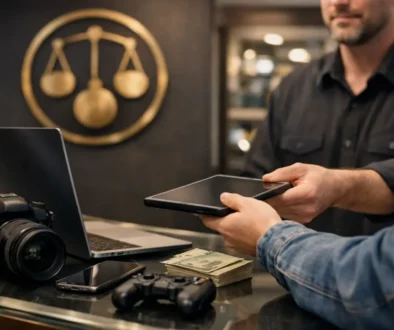
Pawn Loan Process Guide for First-Time Borrowers
Need cash quickly, but do not want a credit check, a long application, or a loan that drags on for weeks? This pawn loan process guide explains what actually happens when you bring an item into a pawn shop, how the offer is determined, and what to expect before you agree to anything. If you have never used collateral-based lending before, knowing the steps can make the experience feel much more straightforward.
How the pawn loan process guide starts
A pawn loan is a short-term loan secured by something you own. Instead of borrowing based on your income or credit score, you borrow against the resale value of an item such as gold jewelry, a luxury watch, electronics, collectibles, or antiques. The item stays with the shop during the loan term, and you receive cash if you accept the offer.
That basic structure matters because it changes the experience. Approval is tied to the item, not your credit history. For many people, that means less paperwork, more privacy, and faster access to funds when timing matters.
Step 1: Bring in an item with real collateral value
The process begins with the item itself. Pawn shops usually look for goods that hold resale value and can be evaluated with confidence. Jewelry, gold, diamonds, designer watches, premium electronics, collectible items, coins, and certain antiques are common examples.
Condition matters. So does authenticity. If you still have original packaging, receipts, certificates, serial numbers, or service records, bring them along. These details do not always make or break the transaction, but they can support a stronger valuation, especially for luxury goods, collectibles, and newer electronics.
If you are unsure whether your item qualifies, a quick appraisal is often the easiest first step. A reputable local shop will tell you honestly whether the item is a good fit for a loan, better suited for an outright sale, or not something they handle.
Step 2: The item is evaluated in person
This is the part most customers care about most. The pawnbroker examines the item and estimates what it could realistically sell for if it were never redeemed. That resale value helps determine the loan amount.
This is also where expectations and reality sometimes differ. The loan offer is not the same as retail value, insurance value, or what you originally paid. A pawn loan is based on what the item can reasonably bring in the secondhand market, along with condition, demand, brand, age, and how quickly it could resell.
For example, gold is often evaluated based on purity and weight, while a watch may depend heavily on brand, model, condition, and current market demand. Electronics are typically judged by age, functionality, cosmetic wear, and resale speed. Two items that look similar on the surface can receive very different offers.
A professional shop should explain the valuation clearly. That transparency matters. You should understand what the appraiser sees, why the item qualifies, and what factors are limiting or increasing the offer.
Step 3: You receive a loan offer
Once the appraisal is complete, the shop makes a loan offer. You can accept it or decline it. There is no obligation to move forward just because you asked for an evaluation.
If you accept, the shop will outline the loan amount, the loan term, any fees or interest, and the total needed to redeem your item. Read that information carefully. A trustworthy pawn transaction should feel direct, not confusing.
The amount offered usually reflects only a portion of the item’s resale value. That is standard in the industry because the lender is taking on storage, market, and resale risk. A higher-value item does not always mean a high-percentage loan, especially if the resale market is narrow or unpredictable.
This is one of the main trade-offs with pawn lending. It is fast and does not rely on credit approval, but it may not produce as much cash as selling the item outright. If your goal is the highest possible payout and you do not plan to get the item back, a direct sale may make more sense than a loan.
Step 4: Provide identification and complete the paperwork
If you move forward, you will need valid government-issued ID. Pawn shops are required to document transactions, and good operators follow clear procedures for identification, recordkeeping, and item tracking.
The paperwork is usually much lighter than a traditional loan process, but do not rush through it. Make sure you know the due date, the repayment amount, and what happens if you need more time. Ask questions before signing, not after.
This part should feel professional and confidential. Many borrowers choose pawn loans because they want a private, straightforward solution. A local shop that values long-term relationships will usually treat that privacy with the respect it deserves.
Step 5: Receive cash and leave the item in secure storage
After the agreement is signed, you receive the funds and the item stays with the shop as collateral. It should be tagged, documented, and stored securely until you repay the loan or the loan period ends.
Security is not a small detail. If you are pawning jewelry, a watch, or another item with personal or financial value, you want confidence that it will be properly handled. Ask how items are stored if that is important to you. A professional shop should have a clear answer.
Understanding repayment, renewal, and redemption
The loan does not end when you walk out with the cash. To get your item back, you repay the loan plus any agreed fees or interest within the stated term. Once that is done, the item is returned to you.
Some borrowers repay the full amount on time and pick up the item without any issue. Others need a little more time. Depending on the shop and local rules, a renewal or extension may be possible if you pay the required charges by the due date. That option can help if cash flow is tight, but it also increases your total cost. It is useful when needed, though not ideal as a habit.
If you are considering a pawn loan because you expect a paycheck, contract payment, tax refund, or other near-term funds, the structure can work well. If your financial situation is uncertain and you are not sure you will be able to redeem the item, it is worth pausing and asking whether selling it outright is the better move.
What happens if you do not repay the loan?
This is one area where pawn loans are often simpler than other forms of borrowing. If you do not repay, the shop keeps the item and may sell it. You generally do not make monthly debt payments for years, and the loan is secured by the item itself.
That simplicity does not mean the outcome is easy. If the item has sentimental value, the risk is real. Before accepting any loan, be honest with yourself about whether you are comfortable leaving that item behind if circumstances change.
For some customers, pawning a backup piece of jewelry or an extra electronic device is a practical short-term solution. For others, a family heirloom is not worth the emotional risk even if the loan terms are fair. The right choice depends on both the item and your situation.
A few ways to get better results
A good pawn loan process guide should also mention what helps your side of the transaction. Clean your item, bring accessories or documents if you have them, and be realistic about market value. If you know the model, metal content, brand details, or repair history, share that information. Small details can affect the appraisal.
It also helps to work with a shop that takes time to explain the offer. Fast service matters, but speed should not come at the expense of clarity. An honest evaluation, clear terms, and respectful treatment are what separate a reliable neighborhood lender from a place that feels purely transactional.
In Richmond Hill and nearby communities, many customers prefer a local shop for that reason. They want a fair offer, a real conversation, and a process that feels professional from start to finish.
When a pawn loan makes sense
A pawn loan often makes sense when you need cash quickly, have a valuable item you can use as collateral, and expect to repay the loan within the term. It can also be a practical option if you want to avoid credit-based borrowing or do not want a loan tied to your bank.
It may be less ideal if the item is deeply sentimental, if you are unlikely to repay on time, or if your main priority is getting the maximum cash value. In those cases, a sale or another financial option may be better.
The best pawn experience is not about pressure. It is about clarity. When the terms are explained, the valuation is fair, and the process is handled professionally, a pawn loan can be a useful short-term tool rather than a last-minute gamble. If you are considering one, start with questions, bring the item in, and give yourself the room to make a decision that fits both your budget and your peace of mind.