Where to Sell Valuables for Cash
A tight budget rarely gives you much warning. One unexpected bill, a repair, or a short gap between paychecks can turn valuable items sitting at home into a practical source of money. If you need to sell valuables for cash, the real question is not just where to go. It is how to make sure you get a fair offer, a clear explanation, and a process that treats you with respect.
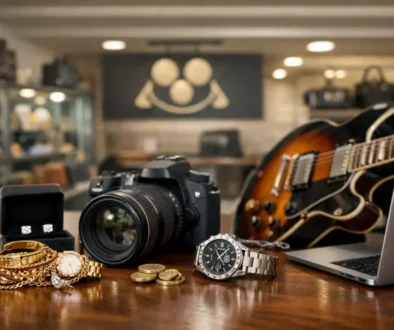
For many people, the biggest concern is getting taken advantage of. That concern is reasonable. Whether you are bringing in gold jewelry, a luxury watch, electronics, collectibles, or antiques, value depends on condition, market demand, authenticity, and resale potential. A serious local buyer should be able to explain that in plain language, not hide behind vague pricing.
When it makes sense to sell valuables for cash
Selling is often the right move when you know you no longer want the item and would rather walk away with immediate cash than hold onto something unused. This is especially true for broken gold jewelry, duplicate watches, older electronics, inherited collectibles you do not plan to keep, or items that have become more of a storage problem than an asset.
It can also make sense when speed matters more than waiting for a private buyer. Selling on your own may bring a higher price in some cases, but that usually comes with delays, no-shows, online risks, negotiation headaches, and the effort of creating listings, answering messages, and meeting strangers. If your priority is privacy and same-day payment, a professional local shop is often the better fit.
The trade-off is simple. Private sales can sometimes produce a higher top-end number, while a reputable buyer offers convenience, immediate cash, and a safer process. For many sellers, that certainty matters more than chasing the highest possible offer.
What affects the offer you receive
People are often surprised that two items that look similar can receive very different offers. That is because value is not based on appearance alone.
Jewelry is usually evaluated by metal content, weight, purity, brand, craftsmanship, gemstone quality, and current market conditions. A plain gold chain may be worth more than a flashier piece made with lower-value materials. Watches depend heavily on brand, model, age, condition, and whether original boxes, papers, or links are included.
Electronics are more sensitive to age and function. A newer device in clean working condition with accessories will usually draw more interest than an older model with scratches, missing chargers, or battery issues. Collectibles and antiques can be even more specific. Rarity helps, but only when there is real buyer demand to support it.
A trustworthy appraiser should look at both the item itself and the current resale market. That is one reason fair evaluations are not instant guesses. Even fast service should still be careful.
How to prepare before you sell valuables for cash
A little preparation can improve both your offer and your confidence. Clean the item gently if appropriate, but do not overdo it. Aggressive polishing can damage watches, antiques, or collectible pieces. Bring any original packaging, receipts, certificates, authentication cards, extra parts, or service records if you have them. Those details can support value.
It also helps to bring realistic expectations. Online asking prices are not the same as sold prices, and retail replacement value is not the same as resale value. An insurance appraisal, for example, is usually higher than what an item would bring in a direct sale. If you keep that distinction in mind, the conversation becomes much more straightforward.
If you are unsure what something is worth, start with an appraisal. A good local shop will assess the item honestly and explain your options without pressure. Sometimes selling is best. Other times, a short-term loan against the item may make more sense if you want the chance to get it back.
Selling outright vs. using your valuables for a loan
This is one of the most important choices people overlook. If you need money now but do not want to permanently part with a valuable item, a collateral-based loan may be worth considering. You leave the item as security, receive cash, and have the option to reclaim it by repaying the loan under the agreed terms.
Selling outright works best when you are ready to let the item go. It is a clean transaction with no future obligation. A loan is better when the item has sentimental value, long-term usefulness, or strong resale potential that you may regret giving up.
There is no single right answer. It depends on whether your need is temporary, how attached you are to the item, and whether replacing it later would be difficult or expensive. A professional shop should be willing to explain both routes clearly instead of steering everyone toward the same option.
What to look for in a local buyer
Not every place that buys valuables operates the same way. The best experience usually comes from working with a buyer who is transparent, experienced, and local enough to care about reputation.
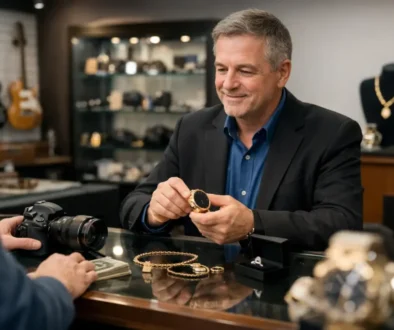
Look for straightforward communication. You should hear a clear explanation of how the item is evaluated, what drives the offer, and what factors may lower or raise value. You should also feel that the process is confidential and respectful. Selling a personal item can feel stressful, and professionalism matters.
A neighborhood-based business often has an advantage here. Independent shops tend to rely on repeat customers, referrals, and long-term trust within the community. That usually creates a more personal experience than a large chain built around volume. In areas like Richmond Hill, Vaughan, Markham, Aurora, Newmarket, and Toronto, many customers prefer a local business precisely because they want to speak with someone who will take the time to evaluate the item properly.
Premium Loan Services is one example of that local approach, offering spot appraisals, direct purchase options, and collateral loans with an emphasis on fair value and personal service.
Common mistakes that cost sellers money
The first mistake is rushing into the first offer without asking questions. Fast cash is important, but speed should not mean confusion. If the buyer cannot explain the pricing in a way that makes sense, that is a problem.
The second mistake is assuming damaged items have no value. Broken gold jewelry, older watches, and incomplete collections can still have meaningful resale or material value. A professional appraisal often reveals more than owners expect.
The third mistake is treating all valuables the same. A scrap gold buyer, for example, may not be the best place for a branded luxury watch or a collectible antique. Different categories require different expertise. If a buyer handles a wide range of goods, they should still know how each category is valued.
The last mistake is ignoring comfort level. If the interaction feels rushed, dismissive, or overly aggressive, trust your instincts. A fair transaction should feel clear from start to finish.
Why privacy and professionalism matter
For many customers, this is not just about money. It is also about discretion. People sell valuables for all kinds of personal reasons, and they do not always want to explain them. A reputable shop understands that and keeps the process focused, confidential, and respectful.
That matters just as much as the final number. A fair offer delivered professionally creates trust. It also makes it easier to come back in the future for an appraisal, a loan, or another sale.
If you need to sell valuables for cash, look for a place that gives you straight answers, fair market-based evaluations, and a process that respects both your time and your property. The right buyer will not just make an offer. They will help you feel sure you made the right decision.