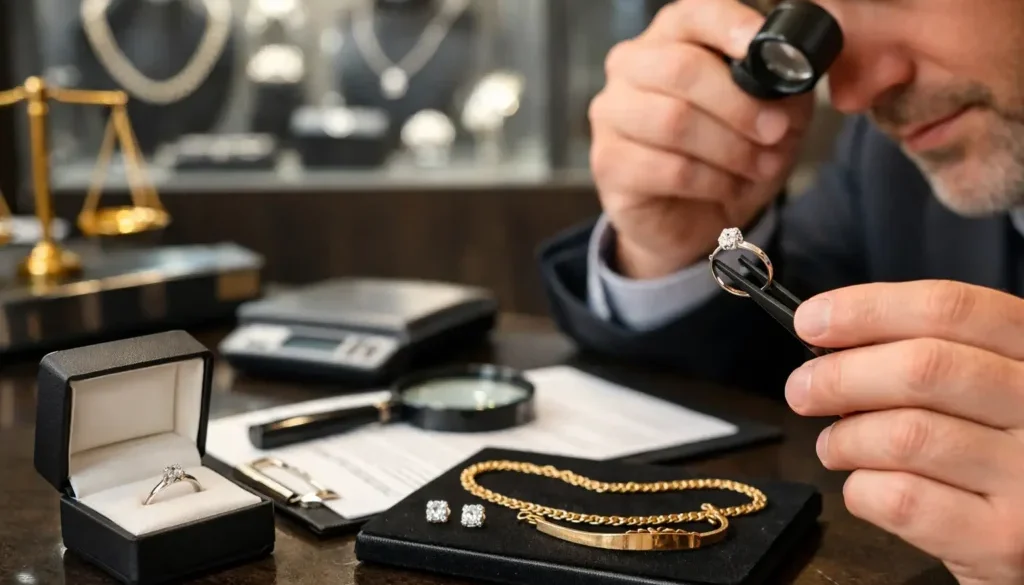
Jewelry Appraisal Richmond Hill: What to Expect
If you are searching for jewelry appraisal Richmond Hill services, chances are you need answers quickly. Maybe you want to sell a piece, use it for a short-term loan, or simply find out what it is really worth before making a decision. In any case, a good appraisal should feel clear, fair, and private – not confusing or pressured.
That matters because jewelry value is rarely as simple as a price tag or a family estimate. Two rings that look similar at first glance can have very different values based on gold purity, diamond quality, brand, craftsmanship, condition, and current resale demand. A professional local appraisal gives you a realistic picture so you can move forward with confidence.
Why jewelry appraisals matter
Most people only think about appraisals when they need cash fast or when they are ready to sell. But an appraisal is really about information. It tells you what you have, what drives its value, and what kind of offer makes sense in the current market.
That is especially useful if you inherited jewelry, received a gift, or bought something years ago and never verified the details. Hallmarks can help, but they do not tell the full story. A stamped bracelet may be gold plated rather than solid gold. A diamond may be natural, lab-grown, treated, or a simulant. Designer markings can add value, but only if the item is authentic and still desirable in the resale market.
An honest appraisal also helps prevent unrealistic expectations. Insurance paperwork, retail receipts, and sentimental value are all understandable reference points, but they are not the same as current resale value or collateral value. If you are thinking about a pawn loan or direct sale, what matters most is what the item can reasonably command today.
What a jewelry appraisal in Richmond Hill usually looks at
A proper jewelry appraisal is not just a quick glance under bright lights. The evaluator should consider several factors together.
First is the metal. Gold, platinum, and silver all carry value, but purity matters. A 10K gold chain will be valued differently from an 18K chain of the same size and style. Weight also matters, though heavier is not automatically better if the design is damaged or difficult to resell.
Next are gemstones. For diamonds, appraisers look at the basics people often know as cut, color, clarity, and carat weight, but they also consider shape, setting, fluorescence, and market demand. For colored stones such as sapphires, rubies, and emeralds, origin, treatment, color quality, and condition can significantly affect value.
Then there is the piece itself. Branded jewelry from recognized names may carry a premium. Antique and estate jewelry can have collector appeal. On the other hand, heavily worn pieces, missing stones, altered settings, or broken clasps can reduce value. Sometimes the item is worth more as scrap metal and loose stones than as finished jewelry. Sometimes the opposite is true. It depends on the piece.
Jewelry appraisal Richmond Hill: when speed matters
For many customers, timing is a big part of the decision. You may not want to wait days for an appointment, send valuables away, or deal with a long process just to get a basic answer. That is one reason local appraisal services are appealing. You can bring the item in, speak to someone directly, and get straightforward feedback without unnecessary delays.
This is especially important if you are deciding between a loan and a sale. With a collateral loan, the item stays with the lender while you receive cash based on its value. If you repay the loan according to the terms, you get your jewelry back. If you sell the piece outright, you receive money immediately and ownership transfers at that point.
Neither option is automatically better. If the item has personal meaning and you want the chance to reclaim it, a loan may make more sense. If you are certain you no longer want it, selling can be simpler. A fair appraisal helps you compare both paths based on real numbers instead of guesswork.
What to bring to your appraisal
You do not need to overprepare, but a few things can help. Bring the jewelry in its current condition and, if you have them, include any original boxes, certificates, receipts, or grading reports. These documents do not guarantee value, but they can support authenticity and provide useful background.
It also helps to bring matching items together. If you have a set of earrings, a pendant, and a ring from the same collection, seeing them as a group may give the appraiser better context. If something is damaged, do not try to fix it first unless you have already spoken with a professional. Poor repairs can sometimes reduce value.
Most importantly, come in with a clear goal. Are you trying to sell, secure a short-term loan, or simply understand the item? The answer affects the conversation. A trustworthy appraiser should explain the valuation in a way that matches your situation, not push you into a decision.
What fair appraisals should feel like
People are often nervous before getting jewelry evaluated, and that is understandable. There can be emotion attached to the piece, uncertainty about value, or concern about being treated unfairly. A professional appraisal experience should lower that stress, not add to it.
You should expect a respectful conversation, not vague language or pressure tactics. The evaluator should be able to explain what they are seeing and why it affects the number. If the piece has value limits because of damage, low demand, or non-precious materials, that should be stated plainly. If the item has stronger value because of brand, quality, or market demand, that should be recognized just as clearly.
Privacy matters too. Many people seeking appraisals are dealing with personal financial needs and do not want a public or uncomfortable experience. Working with a trusted, professional, local business can make a real difference here. You want honest evaluations in a setting where questions are welcome and the process is confidential.
Common misunderstandings about jewelry value
One of the biggest misconceptions is that purchase price equals current value. Retail jewelry often includes markups tied to branding, display, overhead, and packaging. Resale and collateral values are based on a different market.
Another common issue is assuming all diamonds or all gold pieces are easy to price the same way. A large stone may still have limited resale appeal if its quality is low. A trendy setting from ten years ago may not perform as well now. Even gold value changes with market conditions, and jewelry is not valued by metal weight alone when design and resale potential come into play.
Sentimental value is real, but it is personal rather than market-based. A ring passed down through generations may mean everything to a family and still receive a modest resale offer. That does not mean the appraisal is unfair. It simply means emotional importance and market demand are measuring different things.
Choosing a local jewelry appraiser in Richmond Hill
When comparing options, experience and transparency matter more than flashy promises. Look for a business that handles jewelry regularly, explains valuations clearly, and offers practical options if you decide to borrow against or sell the item.
Local service has real advantages. You can talk face to face, ask follow-up questions, and build trust with people who understand the community they serve. That is a very different experience from dealing with a large chain where every transaction feels rushed. At Premium Loan Services, that local approach is part of what customers value most – fair offers, direct communication, and a process that respects both your time and your property.
It also helps to choose a place that appraises more than one type of item. Businesses that regularly evaluate jewelry, watches, gold, and other valuables tend to have a stronger understanding of changing resale trends. That broader market knowledge can lead to a more balanced evaluation.
When it makes sense to get an appraisal right away
If you are holding onto jewelry because you are unsure what it is worth, waiting does not always help. If you need access to cash, want to compare offers, or are cleaning out estate pieces, getting the item looked at now can give you immediate clarity.
The same goes for pieces sitting in a drawer because you assume they are either too valuable to part with or not valuable enough to bother with. Both assumptions can be wrong. A short visit can tell you whether the item is better suited for a loan, a sale, or simply keeping.
A good appraisal should leave you more informed than when you walked in. That is the real value of the process. When you understand what you have and what your options are, the next step becomes much easier.