Free Jewelry Appraisal Toronto for Fair Value
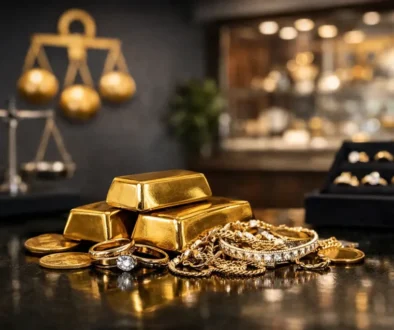
A jewelry box can hold more than sentimental pieces. It may hold gold that has gained value, a diamond ring with real resale appeal, or a watch that could help cover an unexpected expense. A free jewelry appraisal Toronto residents can access locally is a practical first step when you want answers without pressure to sell.
At Premium Loan Services, the goal of a spot appraisal is simple: give you an honest, professional view of what your item may be worth in the current market. You decide what happens next. You can keep the item, sell it outright, or use it as collateral for a short-term pawn loan.
What a Free Jewelry Appraisal in Toronto Can Tell You
A free in-store appraisal is typically a market evaluation, not a formal document for insurance, estate, tax, or legal purposes. That distinction matters. An insurance appraisal often estimates replacement cost, which can be substantially higher than the amount a buyer or lender can offer in a resale market.
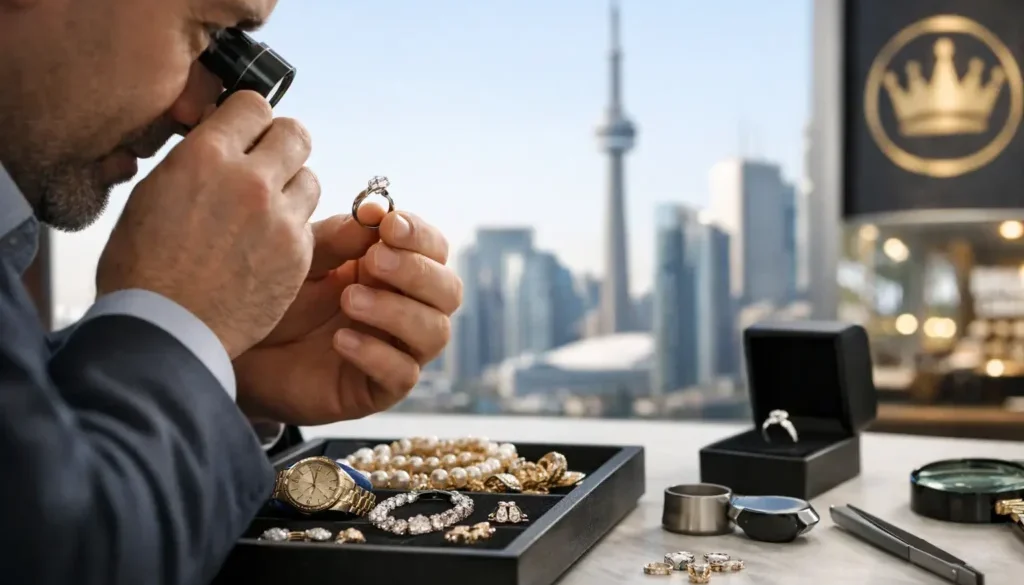
A spot appraisal focuses on the value that is relevant right now. For gold jewelry, that usually starts with purity, weight, and the current gold market. For diamond jewelry, an evaluator looks at the stone’s characteristics, its setting, condition, and how similar pieces are selling. Brand-name jewelry, signed pieces, and luxury watches may carry value beyond their materials when authenticity and demand support it.
The result is a realistic conversation about your options. It is not a guess based on what a piece cost years ago or what a similar-looking item is listed for online. Asking prices and completed-sale values are not the same thing.
What Affects Your Jewelry’s Value
Jewelry values can vary widely, even between pieces that look similar at first glance. A fair evaluation considers the item as a whole rather than relying on one detail.
Metal Content and Weight
Gold is commonly marked 10K, 14K, 18K, or 24K. The higher the karat, the greater the percentage of pure gold, although total weight still matters. White gold, yellow gold, and rose gold may all have value, while platinum can require separate testing because it is a different metal.
Not every mark tells the full story. Clasps, solder, mixed-metal components, and plated sections can affect the actual precious-metal content. Professional testing helps avoid assumptions, especially with older or inherited jewelry.
Diamonds and Other Gemstones
For diamonds, size matters, but it is not the only factor. Cut, color, clarity, shape, condition, and whether the diamond is natural or lab-grown can all affect demand and value. A diamond certificate can be helpful, particularly for a larger stone, but it does not automatically set the resale price.
Colored gemstones require care as well. A sapphire, ruby, emerald, or other stone may have meaningful value, but treatment history, quality, origin, and condition influence what buyers will pay. Some stones are valuable mainly as part of a finished piece, while others have limited resale demand despite looking impressive.
Brand, Design, and Condition
A recognized maker, original box, paperwork, or a desirable vintage design can raise interest in a piece. On the other hand, broken chains, missing stones, heavy wear, altered rings, and damaged clasps can reduce value. Damage does not necessarily mean an item has no worth. Gold jewelry, for example, may still have strong material value even if it cannot be worn.
Condition is one reason an in-person review is better than relying on photos alone. Small details are easier to assess when the item is physically present.
What to Bring to Your Appraisal
Bring the jewelry in the condition it is in. There is no need to polish it aggressively or attempt repairs before an evaluation. In some cases, unnecessary cleaning can damage delicate finishes, loosen stones, or remove useful signs of authenticity.
If you have original receipts, diamond certificates, service records, brand packaging, or previous appraisal paperwork, bring those along. They may provide helpful background, especially for luxury watches, branded jewelry, and larger diamonds. Still, do not worry if you do not have documentation. Many customers do not, particularly when an item was received as a gift or inheritance.
It also helps to bring every related piece. A pair of earrings, a matching pendant, spare watch links, or an original bracelet can affect the offer. Keeping items together gives the evaluator a clearer picture.
Appraisal, Selling, or a Pawn Loan: Which Is Right for You?
A free appraisal does not obligate you to make a decision on the spot. It gives you information, and the right next step depends on whether you want to keep the item.
Selling outright may be the better choice if you no longer wear the jewelry, do not have a sentimental reason to hold onto it, or prefer a one-time cash payment. The offer should be clear and based on the item’s actual market factors, not a vague promise of “top dollar.”
A pawn loan can make more sense when you need short-term cash but want the opportunity to reclaim your item. You leave the jewelry as collateral, receive a loan based on its assessed value, and retrieve it when the loan and applicable fees are repaid within the agreed term. This can be useful when a bank loan is too slow, involves credit requirements, or simply does not fit the situation.
There is a trade-off. Selling provides finality, while a pawn loan preserves the possibility of getting your piece back. If a ring, watch, or family item has personal meaning, that difference is worth considering before accepting any offer.
Questions Worth Asking During a Jewelry Appraisal
A reputable local evaluator should be comfortable explaining the factors behind an offer. You do not need to be a jewelry expert to ask direct questions. Ask whether the value is based on gold weight, gemstones, brand demand, condition, or a combination of these factors.
You can also ask whether the item is better suited to resale as jewelry or valued primarily for its precious-metal content. A well-made branded piece may deserve a different evaluation than a broken chain with the same gold weight. For a watch, ask whether its movement, model, accessories, and service condition affect the value.
Clarity matters. A fair offer should not feel rushed or confusing. If you need time to think, take it. A trustworthy appraisal is still useful even if you decide not to sell or borrow.
When a Formal Appraisal May Be Better
A free spot appraisal is ideal when you are considering a sale, a pawn loan, or simply want a practical estimate of current market value. It is not always the right tool for every purpose.
For insurance coverage, estate distribution, divorce proceedings, charitable donations, or legal documentation, you may need a written appraisal from a qualified appraiser that identifies the item and states the appropriate type of value. Those reports can involve more detailed gemological analysis and may carry a fee.
If you are uncertain, start by explaining why you need the valuation. The reason behind the appraisal helps determine whether a quick market evaluation is enough or a formal report is necessary.
A Local, Private Way to Get Answers
Discussing money can be personal, and jewelry often carries emotional weight. Whether you are handling an inherited collection, clearing out items you no longer use, or managing an unexpected bill, you deserve a private conversation and straightforward information.
For customers from Toronto, Richmond Hill, Vaughan, Markham, Aurora, and Newmarket, an in-person appraisal offers a chance to see how the evaluation is approached and ask questions directly. There is no need to mail a valuable item away or rely on an online estimate that cannot verify metal, stones, or condition.
Bring in the pieces you are curious about, even if you are not sure they are valuable. A careful, honest evaluation can replace uncertainty with a clear next step – and that is often the most valuable part of the visit.