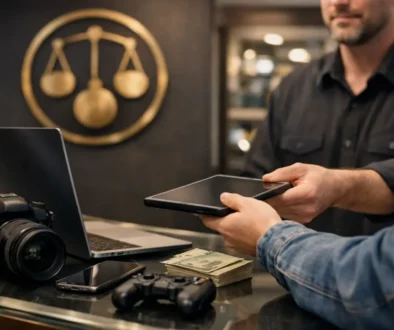
Electronics Pawn Richmond Hill Fair Offers
A phone upgrade, an unused laptop, or a game console collecting dust can be more than clutter when an unexpected expense appears. When people search for electronics pawn Richmond Hill services, they usually want two things: quick access to cash and confidence that their item will be evaluated fairly. A trusted local pawn shop can provide both without the lengthy applications, credit checks, or uncertainty that often come with other borrowing options.
At Premium Loan Services, electronics are evaluated with attention to their condition, market demand, included accessories, and current resale value. Whether you want a short-term pawn loan or prefer to sell an item outright, the goal is simple: give you a clear offer and let you decide what works for your situation.
How an electronics pawn loan works
A pawn loan uses your item as collateral. You bring in an eligible electronic device, receive an appraisal, and are offered a loan amount based on the item’s value. If you accept, you leave the item with the shop while you receive cash. There is no need to explain why you need the money, and the process generally does not rely on your credit score.
Your item is held securely for the agreed loan term. When you repay the loan and applicable fees within that period, you receive your electronics back. This can be a practical choice when you need cash now but expect to want your item again later.
Selling is different. If you know you no longer need the device, a direct sale may make more sense. You receive a fair purchase offer and walk away without a repayment obligation. The right option depends on how attached you are to the item, how soon you expect your finances to improve, and whether replacing the item later would be costly.
Which electronics may have value?
Many people assume only the newest devices are worth bringing in. Newer models often command stronger offers, but useful, well-maintained electronics from prior generations can also have value. The best way to know is to bring the item in for a free spot appraisal.
Common items that may be considered include smartphones, tablets, laptops, desktop computers, smartwatches, cameras, gaming consoles, handheld gaming systems, premium headphones, speakers, and audio equipment. Select tools, professional equipment, and specialty electronics may also be worth evaluating.
Value varies widely. A current-model phone in excellent condition with its charger and original box will generally be more desirable than the same phone with a cracked screen, battery problems, or activation issues. A gaming console can be more appealing when it includes working controllers, cables, and a power supply. For laptops, storage capacity, processor, memory, screen condition, battery health, and whether the device is functional all matter.
An honest evaluation looks at the specific item in front of us, not just a quick online price estimate. Online listings can be misleading because asking prices are not the same as completed sales, and they often ignore testing, condition, security, and local demand.
How to prepare electronics before an appraisal
A little preparation can make the appraisal process easier and may help present your item at its best. Start by charging the device if possible. An evaluator may need to turn it on, check basic functions, and confirm its model and specifications. Bring the charging cable, adapters, controllers, cases, docks, or other original accessories that belong with it.
Before bringing in a phone, tablet, laptop, or smartwatch, back up any personal files, photos, contacts, and messages. Then sign out of personal accounts and disable security locks or device-location features when appropriate. A device still linked to an account or locked to its owner may be difficult or impossible to accept, even if it is otherwise in good condition.
You should also remove SIM cards and memory cards unless you intend to include them. If you decide to sell the item after the appraisal, a factory reset is usually the safest final step once you have confirmed your data is backed up. If you are taking a pawn loan, ask about the appropriate process before resetting anything, since you plan to reclaim the item after repayment.
Do not try to hide damage or repairs. Small cosmetic wear may not prevent an offer, but undisclosed issues can affect the evaluation once the item is tested. Being straightforward helps the process move faster and keeps the offer clear.
What determines a fair offer?
A fair offer is based on more than the original retail price. Electronics change value quickly, especially phones, computers, and game consoles that are replaced by newer versions. A professional appraisal considers the current secondhand market, demand for that model, functionality, cosmetic condition, carrier or account status where relevant, and the cost of preparing the item for resale.
The distinction between a loan amount and a direct purchase offer also matters. With a pawn loan, the electronics secure temporary cash while you retain the opportunity to reclaim them. With a sale, the shop is taking on the responsibility and risk of reselling the item. Both options should be explained clearly so you know what you are accepting.
The highest advertised price is not always the best outcome. Selling privately can take time, require meetings with strangers, and create concerns about payment scams or personal data. A local pawn shop offers convenience, privacy, and an immediate decision. The trade-off is that the offer reflects the real costs and risks of buying, testing, storing, and reselling pre-owned electronics.
Why local service makes a difference
Large online marketplaces and corporate chains can feel impersonal, particularly when you need cash quickly or are unsure what an item is worth. A local electronics pawn shop gives you the chance to speak directly with someone, ask questions, and understand the terms before making a decision.
For Richmond Hill residents and customers from nearby communities such as Vaughan, Markham, Aurora, Newmarket, and Toronto, that personal conversation can be valuable. You can bring in the item, receive a straightforward assessment, and choose whether a loan or sale is right for you. There is no pressure to accept an offer that does not meet your needs.
Confidentiality matters as well. Financial needs are personal. A professional pawn transaction should be handled discreetly, with clear paperwork and respectful service. You should know the loan term, repayment expectations, and what happens if you cannot repay before agreeing to a loan.
When pawning electronics is the right choice
Pawning can be useful when the cash need is temporary. Maybe a car repair, utility bill, medical expense, or gap between paychecks has put pressure on your budget. If you have an electronic item with value and a realistic plan to repay within the loan period, using it as collateral can offer flexibility without selling it permanently.
It may not be the best choice if the item is essential for work, school, caregiving, or daily communication. In that case, think carefully before using it as collateral. A laptop needed for your job or a phone that keeps you connected to family may be more valuable in your hands than the cash it could provide.
If you have already replaced the device or no longer use it, selling may be the simpler option. You receive cash without future payments, and someone else gets the opportunity to purchase a quality pre-owned item.
Get clarity before you decide
The value of electronics is not always obvious from the outside. A free appraisal gives you a real number, a chance to ask questions, and no obligation to move forward. Bring the device, its accessories, and any information that helps confirm its condition or model.
Whether you need a short-term loan or want to sell an unused device, the best transaction is one you understand. A fair offer, honest evaluation, and respectful local service can turn an electronic item you are not using into a practical option when you need it most.