How to Sell Electronics for Cash and Get Fair Value
A phone sitting in a drawer, a laptop replaced by a newer model, or a game console no one uses can be more than clutter. Knowing how to sell electronics for cash helps you turn those items into immediate spending money while keeping the process private, simple, and fair.
The best approach depends on the item, its condition, and how quickly you need funds. Private sales may bring a higher price for certain devices, but they can also mean waiting, negotiating with strangers, and dealing with no-shows. Selling to a trusted local buyer is often the more direct choice when speed, security, and a straightforward offer matter most.
Start by Identifying What You Have
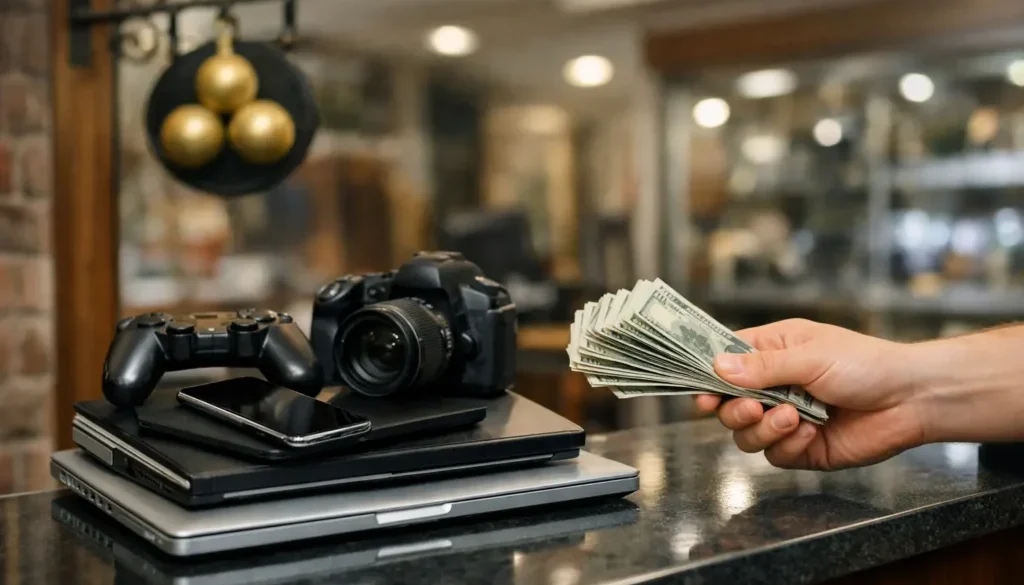
Not every electronic item has the same resale value. Recent smartphones, tablets, laptops, gaming consoles, smartwatches, cameras, premium headphones, and name-brand power tools usually have strong demand. Older devices may still be worth selling if they work properly, include accessories, or have parts that remain useful.
Check the exact make, model, storage capacity, and generation before asking for a price. Two devices that look nearly identical can have very different values based on their model number, processor, storage, network compatibility, or release year. You can usually find these details in the device settings, on the original box, or on a label underneath the item.
Be realistic about condition. A current phone with a clean screen and healthy battery will generally receive a stronger offer than the same phone with cracks, water damage, or a locked account. Honest details save time and help you receive an accurate evaluation from the start.
Protect Your Personal Information Before You Sell
Your privacy should come before the sale. Electronics often contain photos, passwords, saved payment information, work documents, and access to personal accounts. Removing that information is essential, even when you are selling to a professional buyer.
First, back up any files, photos, contacts, or messages you want to keep. Then sign out of cloud services and remove the device from your account. On smartphones and tablets, make sure activation locks and location-tracking features are disabled. On laptops, sign out of browser profiles, email accounts, and software subscriptions before completing a factory reset.
A factory reset is usually the final step, not the first. Once the device has been erased, check that it restarts at the initial setup screen and does not ask for your old account credentials. A locked device is difficult or impossible to resell, so this small step can make a major difference to its value.
For gaming consoles, remove your user profile, payment methods, saved account access, and downloaded personal content. If you are unsure how to reset a particular device, bring it in powered on and ask before proceeding. A professional buyer can often explain what needs to be removed without accessing information that should remain private.
Clean It Up and Gather What Belongs With It
Presentation affects how an item is evaluated. You do not need to make an old device look brand new, but a basic cleaning shows that it has been cared for. Wipe screens and cases with an electronics-safe cloth, remove dust from ports, and bring in chargers or cables that belong with the item.
Original boxes, manuals, cases, controllers, charging docks, and accessories can improve the offer, especially for gaming systems, cameras, tablets, and premium headphones. A laptop charger is particularly important because a buyer needs to verify that the computer charges and operates correctly.
Do not spend significant money repairing a device just to sell it unless you know the repair will add more value than it costs. A replacement charging cable may be worthwhile. An expensive screen repair on an outdated phone may not be. When in doubt, get an evaluation first and decide whether a repair makes financial sense.
Understand What Determines a Fair Cash Offer
A fair offer is based on what the buyer can reasonably resell the item for after testing, preparing, and standing behind it. It is not the same as the original retail price, and it will usually be lower than a private-party asking price. That difference accounts for the buyer’s time, market risk, warranty obligations where applicable, and the possibility that the item may sit in inventory.
The strongest factors are current demand, model age, condition, functionality, included accessories, and storage capacity. Brand matters too. Popular Apple, Samsung, Sony, Microsoft, Nintendo, Dell, Lenovo, Bose, and camera brands often have more consistent resale demand than lesser-known products.
Timing can also affect value. A phone may lose value quickly after a new generation is released. Gaming consoles and accessories often see higher demand before the holidays. If you need cash now, it is usually better to sell while the item is fully working than wait until it becomes older, damaged, or unsupported.
Choose the Selling Option That Fits Your Situation
There is no single best way to sell every item. Online marketplaces can work for someone with time to take photos, write listings, answer messages, negotiate, and safely meet a buyer. The trade-off is uncertainty. A listed price is not cash in hand, and an online buyer may try to renegotiate after meeting you.
Trade-in programs can be convenient, but they may offer store credit rather than cash and may accept only certain models. Mail-in programs require shipping and inspection, which means you may wait for payment and risk a revised quote after the device arrives.
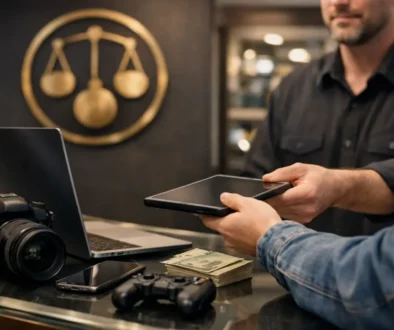
A local pawn shop or direct buyer can be a practical alternative when you want an in-person evaluation and immediate funds. You can see the condition assessment, ask questions about the offer, and decide on the spot whether selling is right for you. There is no obligation to accept an offer simply because you asked for an appraisal.
If you are not ready to part with an item permanently, ask whether a collateral loan is available. With a pawn loan, you leave the electronics as security and receive cash based on their value. You can reclaim the item after repaying the loan according to the agreed terms. Selling outright makes more sense when you no longer need the device; a loan may fit better when the item has personal value and you expect to repay soon.
Bring Electronics in Ready to Test
A buyer will normally test electronics before making an offer. Bring the item charged whenever possible, along with the charging cable. For phones and tablets, make sure the screen, cameras, speakers, buttons, charging port, and wireless connections work. For laptops, check that the keyboard, trackpad, display, battery, and charger are functioning.
Gaming systems should include the correct power cable and at least one controller if you have it. A console that can be turned on and tested is easier to evaluate than one brought in without its essentials. Cameras should include a battery if possible, while headphones should be charged or brought with the charging case.
Bring a valid government-issued photo ID if required in your area. Reputable buyers follow identification and recordkeeping procedures to protect customers and the community. This is a normal part of a professional transaction, not a reason for concern.
Avoid Common Mistakes That Lower Your Payout
The biggest mistake is selling a device that is still locked to your account. Activation locks, unpaid device balances, blacklisted serial numbers, and missing passwords can prevent a buyer from reselling the item and may result in no offer at all. Resolve those issues before you visit.
Another mistake is relying on the highest price you see online. Many listings are asking prices, not completed sales. Others include items in better condition, larger storage capacities, or bundles with accessories. A realistic value reflects what comparable items actually sell for, not what a seller hopes to receive.
Finally, do not hide damage or functional problems. A professional evaluation will reveal most issues during testing. Being upfront keeps the process quick and helps build the trust needed for a fair conversation about value.
Get a Clear Offer From a Local Professional
When you need cash without the delays of online selling, an honest in-person evaluation can provide clarity. At Premium Loan Services, customers in Richmond Hill can bring eligible electronics in for a confidential, no-pressure appraisal. The goal is simple: assess the item carefully, explain the offer clearly, and let you choose whether selling or a collateral loan is the better fit.
The right time to sell is usually when the device still works well, has market demand, and no longer serves a purpose in your home. Bring it in prepared, ask the questions that matter to you, and choose the option that gives you fair value and peace of mind.