What to Expect From a Pawn Shop
A good pawn shop is usually judged in the first few minutes. You walk in with a watch, a gold chain, a game console, or a family collectible, and you want clear answers fast. What is it worth, how does the loan work, and are you being treated fairly? For most customers, that matters more than anything else.
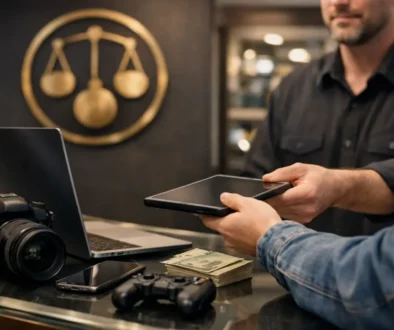
A pawn shop can be one of the simplest ways to get short-term cash without applying for traditional credit. You bring in an item of value, receive an appraisal, and choose whether to use it as collateral for a loan or sell it outright. If the offer makes sense for your situation, you leave with money the same day.
That simplicity is exactly why many people prefer this option. There is no long underwriting process, no waiting on bank approvals, and no need to explain why you need funds. The item secures the transaction, which keeps the process direct and private.
How a pawn shop works
At its core, a pawn shop does three things. It offers collateral-based loans, buys certain items outright, and sells pre-owned merchandise. The loan side is what many people think of first, but for some customers, selling is the better fit.
If you pawn an item, the item stays with the shop while you receive a loan based on its resale value, condition, demand, and authenticity. If you repay the loan according to the agreed terms, your item is returned to you. If you decide you do not want the item back, or repayment does not happen within the agreed timeline, the shop may place it for sale.
If you sell an item instead, the process is even more straightforward. The shop evaluates it, makes an offer, and if you accept, you receive payment and the transaction is complete. There is no future repayment because you are transferring ownership.
That difference matters. A loan makes sense when the item has personal value and you want a temporary cash solution. A sale makes sense when you are ready to let the item go and want the strongest immediate return available for that type of resale market.
What affects value at a pawn shop
Customers often assume value is based only on what they originally paid. In practice, that is only one small part of the picture. A pawn shop looks at what the item is, how easily it can be verified, what condition it is in, and how likely it is to sell if needed.
Jewelry is a good example. A gold chain may be evaluated based on purity, weight, workmanship, and market conditions. A diamond ring may also involve cut, clarity, setting, and brand appeal. A luxury watch brings in other factors, including model, condition, service history, and whether the box and papers are included.
Electronics are often more sensitive to age and condition. A current model laptop, phone, tablet, or gaming system with accessories and a charger will usually perform better than an older item missing parts. Collectibles and antiques can be even more nuanced because demand is driven by rarity, condition, authenticity, and what active buyers are looking for right now.
This is why honest evaluations matter. Fair pricing is not about throwing out a number quickly. It is about understanding the item well enough to explain the offer with confidence.
Pawn loan or direct sale?
For many customers, the better choice depends on timing. If you need cash now but expect to recover financially soon, a pawn loan can give you breathing room without forcing you to part with something valuable. That is especially useful for jewelry, watches, heirlooms, and higher-end items you would rather keep.
A direct sale is often the better route when the item is no longer being used, when you do not want a repayment obligation, or when your goal is simply to turn stored value into cash. Some customers come in expecting to pawn an item and decide to sell once they understand the numbers. Others do the opposite because they realize they would regret giving the item up permanently.
There is no single right answer. The best shops explain both options clearly and let you decide based on your needs, not pressure.
What items usually do well
A pawn shop typically looks for items with recognizable value and a healthy resale market. Gold jewelry, diamonds, luxury watches, designer pieces, current electronics, collectible coins, antiques, and certain branded tools or musical instruments tend to attract strong interest when condition and authenticity are solid.
Higher-value items usually benefit the most from dealing with an experienced local shop that understands appraisal details. A generic chain process may move quickly, but speed alone does not guarantee a strong offer. When an item has nuances, brand history, precious metal content, or collector demand behind it, knowledgeable evaluation can make a real difference.
Even so, not every valuable personal item is ideal for pawning or sale. Sentimental items can be emotionally difficult to use as collateral. Highly specialized goods may have a smaller local buyer market. And some products lose value so quickly that the offer may not match what the owner expects. That does not mean the shop is being unfair. It usually means the resale market has changed.
Why local service makes a difference
Trust is a major part of any pawn transaction. You are handing over something you own, and often something you care about, in exchange for immediate cash. That only works when the process feels professional, respectful, and confidential.
A neighborhood business often has an advantage here because relationships matter. Local customers tend to remember how they were treated, whether the appraisal felt honest, and whether the terms were explained clearly. That kind of reputation is earned one interaction at a time.
In areas like Richmond Hill and nearby communities, many customers are not looking for a flashy experience. They want fair offers, quick service, and a real conversation with someone who knows the market. That is often what separates a trusted independent shop from a larger operation that feels more transactional.
How to prepare before you visit a pawn shop
A little preparation can improve both speed and value. Bring the item clean and in the best condition you can reasonably present. Include accessories, boxes, receipts, certificates, chargers, extra links, or original packaging if you have them. These details do not always transform the offer, but they can strengthen it.
It also helps to be realistic. Secondary market value is different from retail price, and emotional attachment does not translate into appraisal value. If you are unsure what an item is worth, ask for an evaluation and listen to the reasoning behind the offer. A professional explanation is often more useful than a number alone.
If privacy is important to you, choose a shop that handles appraisals discreetly and communicates clearly. That is especially relevant when bringing in jewelry, luxury goods, or inherited items. The process should feel comfortable, not rushed or exposed.
What shoppers should know about buying from a pawn shop
The retail side of a pawn shop is often overlooked, but it can offer strong value. Customers shopping for pre-owned jewelry, watches, electronics, collectibles, or unique pieces often find better pricing than they would in traditional retail settings. A carefully selected secondhand item can offer quality and savings at the same time.
The trade-off is that inventory changes constantly. If you are looking for a specific model or category, one visit may not tell the whole story. The upside is that you may find something distinctive that would be harder to come across in a standard retail store.
For buyers, the same qualities still matter – authenticity, condition, fair pricing, and knowledgeable service. A good shop should be as careful with its retail side as it is with its lending side.
Choosing the right pawn shop
Not all shops operate the same way. Some focus on volume and speed, while others put more emphasis on careful appraisals and customer relationships. If you are deciding where to go, pay attention to how the business explains its process. Are terms clear? Is the evaluation respectful? Does the offer come with a simple explanation, or does it feel rushed?
The right pawn shop should make the transaction easier, not more stressful. You should know what your options are, what your item is being evaluated on, and what happens next if you accept. That level of clarity is not a bonus. It is part of doing business properly.
At Premium Loan Services, that approach is simple: honest evaluations, fair offers, and professional local service built around real customer needs. Whether you need short-term cash, want to sell an item outright, or just want to understand what something is worth, the best first step is talking to someone who will give you a straight answer.
Sometimes financial flexibility starts with an item you already own, and the right shop can turn that into a practical option without making the process feel complicated.