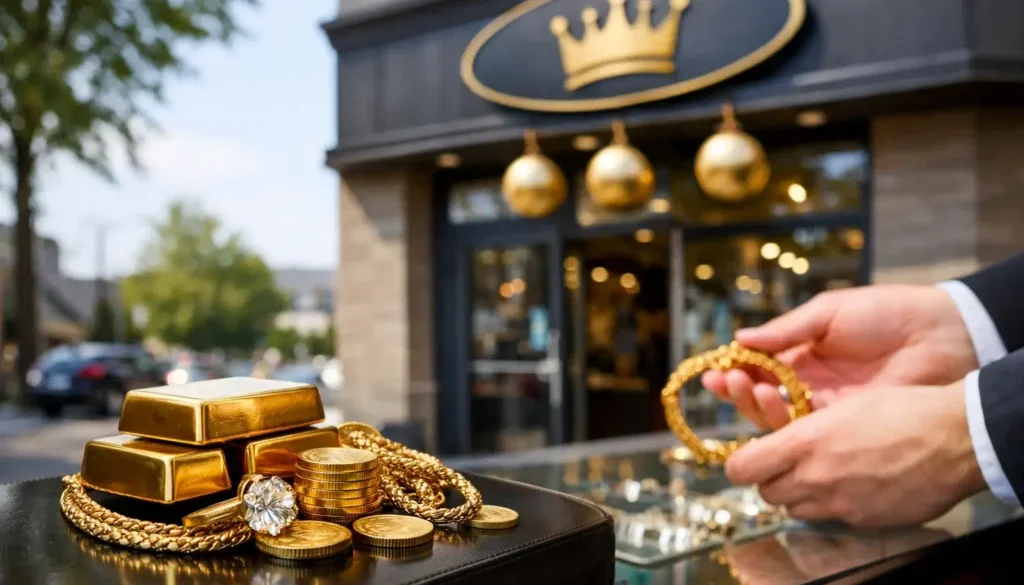
Where to Sell Gold in Richmond Hill
Gold prices get attention when they rise, but the real question for most people is simpler – if you want to sell gold Richmond Hill, how do you make sure you get a fair offer without wasting time or feeling pressured? That comes down to understanding what you have, how it is evaluated, and where you take it.
For many sellers, gold is not just an investment. It might be broken jewelry sitting in a drawer, an old chain you no longer wear, a class ring, a mismatched earring, dental gold, or pieces from an estate. Sometimes the goal is to turn unused items into quick cash. Other times, it is about clearing out valuables responsibly while making sure the price is fair. Either way, the process should feel straightforward, private, and respectful.
What matters when you sell gold in Richmond Hill
The biggest misconception is that all gold is priced the same way. It is not. Two pieces that look similar can have very different values depending on purity, weight, condition, and whether the item carries resale value beyond its melt content.
Gold purity is a major factor. Most people recognize marks like 10K, 14K, 18K, or 22K, but the number only tells part of the story. Higher karat gold contains a greater percentage of pure gold, which usually means a higher payout per gram. Weight matters too, of course, but accurate weighing should happen as part of a transparent appraisal, not behind the counter without explanation.
Then there is the question of whether the item should be valued only for gold content or as a finished piece. A plain broken bracelet is usually assessed differently from a designer necklace or a well-made vintage ring. In some cases, gemstones, brand recognition, craftsmanship, or market demand can affect the offer. In other cases, the stone adds little and the metal is what really drives value. That is why an honest evaluation matters.
Fair appraisals are about more than spot price
People often check the current gold price online before visiting a buyer. That is a smart starting point, but it should not be your only reference. The spot price reflects raw market trading for pure gold, not the exact amount a local buyer can pay for every piece that comes across the counter.
When a shop makes an offer, it is looking at purity, weight, testing, refining realities, resale potential, and current market movement. A fair offer should reflect those factors clearly. If a buyer gives you a number with no explanation, that is usually where trust starts to break down.
A professional appraisal should be direct and easy to follow. You should understand what was tested, how the weight was calculated, and why one item may be worth more than another. The goal is not to overwhelm you with technical language. It is to give you enough clarity to feel comfortable making a decision.
Why local matters when you want to sell gold Richmond Hill
There is a difference between dealing with a neighborhood business and dealing with a large-volume operation that treats every transaction the same. When you are selling personal valuables, that difference matters.
A trusted local buyer tends to rely on repeat business, reputation, and community relationships. That usually leads to more personalized service, more patience during the appraisal, and a more practical conversation about your options. If you are unsure whether to sell outright or use your item for a short-term collateral loan, a local shop can talk through both without making the process feel complicated.
That flexibility helps people who need cash quickly but are not ready to permanently part with an item. Sometimes selling is the right move. Sometimes a loan makes more sense. It depends on the item, your timeline, and whether the piece has personal value beyond its market price.
What to bring with you
If you are planning to sell gold, bring every piece you want evaluated, even if you think some items are too small, too damaged, or too old to matter. Small pieces add up. So do single earrings, broken clasps, bent chains, and outdated jewelry that has been sitting untouched for years.
If you still have original boxes, receipts, certificates, or brand documentation for higher-end pieces, bring those as well. They may not always change the offer, but for luxury jewelry or collectible items they can help support resale value. A valid ID is also typically part of the transaction, especially with regulated secondhand purchases.
You do not need to clean or polish your gold before bringing it in. In fact, aggressive cleaning can sometimes damage a piece. A professional buyer should be able to assess the item as it is.
What the appraisal process should feel like
A good gold appraisal should feel calm, not rushed. You bring in your items, the buyer inspects and tests them, explains the results, and gives you an offer. If you accept, you get paid. If you do not, you should be able to walk away without pressure.
That last part matters. People often come in with uncertainty. Maybe they are comparing offers. Maybe they inherited jewelry and do not know what it is worth. Maybe they just need cash today and want a fast answer. A professional shop understands that and keeps the process respectful.
Confidentiality matters too. Financial situations are personal. So are family valuables. You should be able to ask questions, review your options, and make a decision without feeling exposed or judged.
When selling gold makes sense
There is no single right time to sell. Sometimes the best time is when prices are favorable. Sometimes it is when you need immediate cash and have items you no longer use. Sometimes it is after a life change – a move, a divorce, an estate cleanout, or simply a decision to turn unused valuables into something more useful.
Selling makes the most sense when the item has little sentimental value and you are comfortable letting it go permanently. If the piece is meaningful, a collateral loan may be worth asking about instead. That gives you access to cash without forcing an immediate sale.
This is where a straightforward local business can be helpful. You should not have to fit your situation into one rigid option. The right shop will explain the difference and let you choose what works best for you.
Common mistakes sellers make
The most common mistake is assuming the first offer is automatically fair because the process feels fast. Speed is useful, but clarity matters just as much. If you do not understand how the offer was reached, ask.
Another mistake is focusing only on karat marks without considering total weight and actual testing. Stamps can be misleading, worn down, or inaccurate. A proper evaluation confirms what the item really is.
Some people also hold onto damaged or mismatched pieces because they assume no one wants them. In reality, scrap gold can still carry value. Even if a piece cannot be worn, its metal content may still make it worth bringing in.
Choosing a buyer you can trust
If you are deciding where to sell, look for a business that values honesty over pressure. Fair offers matter, but so does the way you are treated. You want clear testing, straightforward communication, and a setting where questions are welcomed.
A professional local shop should be able to evaluate more than just basic gold jewelry. Experience with watches, collectibles, estate pieces, and branded items can make a difference when a piece has value beyond melt weight. That broader knowledge helps protect sellers from being underpaid on items that deserve a closer look.
At Premium Loan Services, that local approach is central to the experience. The focus is on honest evaluations, fair offers, and quick service for people who want a simple and professional way to access cash.
A better way to think about selling gold
Selling gold is not just about getting rid of something old. It is about converting value you already own into cash you can use now. When the appraisal is fair and the process is handled professionally, it stops feeling stressful and starts feeling practical.
If you have gold sitting at home and you are not sure what it is worth, the next step does not need to be complicated. Bring it in, ask questions, and get a clear answer. A good local appraisal gives you something useful even before you decide to sell – real information you can trust.