What Items Hold Pawn Value? A Practical Guide
A gold chain sitting in a drawer, a watch you no longer wear, or a current laptop can be more than unused property. If you are wondering what items hold pawn value, the answer usually comes down to a few practical factors: resale demand, condition, authenticity, and how easily an item can be evaluated. A professional pawn appraisal looks at the item in front of you, not just a price you saw online.
For people who need cash quickly, the best item is not always the one that originally cost the most. It is the one a pawn shop can confidently assess, securely store, and reasonably expect to resell if the loan is not repaid. Knowing what makes an item valuable can help you decide what to bring in and how to prepare it for an honest evaluation.
What Items Hold Pawn Value Most Reliably?
Certain categories tend to retain pawn value because they have consistent secondhand demand and established ways to verify quality. Value still varies by brand, model, materials, and condition, but these are often the strongest items to consider.
- Gold, silver, and platinum jewelry: Rings, chains, bracelets, earrings, and pendants made from precious metals can hold value even when they are damaged or out of style. Weight, purity, and current metal prices matter. Diamonds and other gemstones may add value, especially when they are well set, attractive, and supported by documentation.
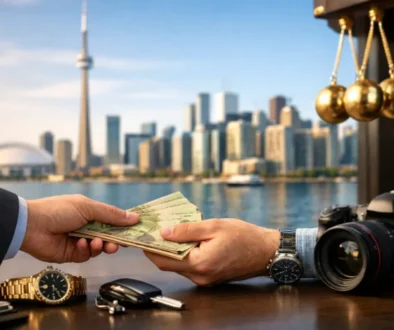
- Luxury watches: Recognized watch brands, working movements, original components, and a clean overall condition can make a significant difference. The box, papers, service records, extra links, and original strap can support the appraisal.
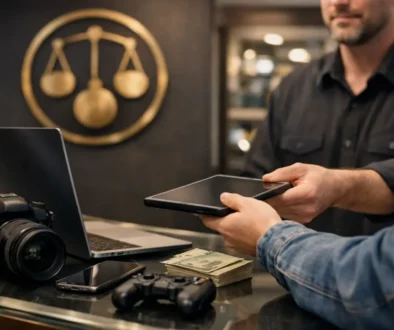
- Current electronics: Newer smartphones, laptops, tablets, gaming systems, cameras, and quality audio equipment can be strong collateral when they are fully functional and in demand. Devices that are unlocked, reset, and paired with chargers or accessories are generally easier to evaluate.
- Musical instruments and professional tools: Brand-name guitars, amplifiers, brass instruments, power tools, and trade equipment can carry good value when they are complete and working. Professional-grade equipment typically has more resale appeal than entry-level models.
- Collectibles and antiques: Coins, signed sports memorabilia, vintage toys, trading cards, rare books, art, and unusual historical pieces may have value. This category is more specialized, so authenticity, rarity, condition, and buyer demand matter more than age alone.
- Designer handbags and accessories: Well-known luxury brands can hold value if they are authentic, clean, and in good condition. Original receipts, dust bags, authenticity cards, and packaging can help, but the item itself must stand up to inspection.
Why Original Price Is Not the Same as Pawn Value
A pawn loan is based on the item’s current resale value, not its original retail price or sentimental importance. A television that cost a great deal several years ago may have limited pawn value because newer models have quickly replaced it. A simple gold bracelet, on the other hand, may hold steady value because its precious metal content remains easy to measure and sell.
Demand is central. A current gaming console in excellent condition can be appealing because there is an active market for it. A large, older piece of furniture may be difficult to store and sell, even if it was expensive when purchased. The same principle applies to niche items: a rare collectible can be valuable, but only if there are buyers looking for it.
A pawn shop also considers the risk involved. An item with a clear serial number, recognizable brand, and straightforward market value is easier to appraise fairly. Items that are hard to test, difficult to authenticate, incomplete, or heavily damaged may receive a lower offer or may not be suitable for a loan.
Condition Can Change the Offer
Condition does not always need to be perfect, especially with gold jewelry or certain antiques. Still, functionality and presentation matter. A laptop with a cracked screen, a watch that does not run, or a designer bag with significant wear may have less resale value than a comparable item in clean, working condition.
Before bringing in electronics, charge them if possible and remove personal accounts. For jewelry, avoid harsh cleaning methods that could damage stones or finishes. For watches, instruments, and collectibles, bring any related parts you have. A charger, remote, case, cable, extra strap, or certificate may not transform a low-value item into a high-value one, but it can make a complete item easier to resell.
Authenticity Protects Everyone
Authenticity is especially important with luxury goods, branded watches, designer accessories, and collectible items. A fair appraisal requires time to inspect markings, serial numbers, materials, construction, and supporting documentation. An original box or receipt is helpful, but it does not replace a professional examination.
If you have appraisals, certificates, service records, receipts, or provenance for an item, bring them along. These materials can provide useful context and may speed up the evaluation. They do not guarantee a certain offer, since market demand and condition still apply, but they can help establish what you have.
How Pawn Loans Differ From Selling Your Item
The right choice depends on whether you want to keep your item. With a pawn loan, you use your valuable as collateral for short-term cash. The item is held securely while the loan is active, and you can reclaim it by repaying the loan according to the agreed terms. This can make sense for jewelry, watches, tools, or electronics you expect to use again.
Selling outright may be a better fit when an item is no longer useful to you or when you do not plan to reclaim it. A direct sale gives you a clear, immediate payment without an ongoing loan obligation. In either case, the evaluation should be straightforward: the shop assesses the item, explains the offer, and lets you decide without pressure.
For many customers, privacy is another benefit. A collateral loan is based on the value of your item rather than a lengthy traditional credit process. That does not mean every item will qualify or that every offer will be the same. It means the conversation stays focused on the property you bring in and your available options.
Items That Often Have Less Pawn Value
Some items are harder for pawn shops to accept because demand is inconsistent, storage is difficult, or resale value drops quickly. Older basic televisions, used mattresses, inexpensive furniture, low-end jewelry, outdated computer equipment, and incomplete electronics often fall into this category.
That does not mean an item is worthless. It simply may not be practical collateral. A local appraisal can save you time by giving you a realistic answer before you make other plans to sell, donate, recycle, or keep it.
Get More From Your Item Appraisal
Start by bringing the actual item rather than relying on a description or photo. Clean it lightly, make sure it is complete, and gather useful accessories and paperwork. Be ready to show that electronics work, and remove personal data before handing over a device. Do not spend money on repairs unless you know the repair will add more value than it costs.
It also helps to have realistic expectations. Online listing prices are often asking prices, not completed sales. A pawn offer reflects current local demand, the cost of testing and storing the item, and the shop’s ability to resell it if necessary. A good evaluation should feel respectful and clear, even if the item is worth less than expected.
At Premium Loan Services, customers in Richmond Hill can bring in valuables for a confidential, no-pressure spot appraisal. Whether you are considering a pawn loan or an outright sale, a fair offer begins with a careful look at the item and an honest conversation about its current value.